







 by
by Getting by as a writer isn’t always the easiest thing. We all hope for that big break, the article we write that’ll go viral and get our name out there for good.
But the reality of everyday life is often just a little bit different. We have to pay bills and save money for the future, and we’d like to achieve those goals doing something we love.
Luckily, there’s no shortage of publications (both on and offline) that can help you get paid to blog.
A good starting place might be writing for us! Are you an SEO expert? A social media guru? Do you write great content about content? Check out our own blogger program to learn more, we’re offering $50 per article!
We’ll be constantly updating this list and if you have any suggestions of your own, please leave them in the comments. The more the merrier.
Business & Finance
B. Michelle Pippin
Pay: $50 – $100 per article.
Description: All things business: marketing, CRO, financing, etc.
Doctor of Credit
Pay: $50 per article
Description: Personal finance articles, focused on credit.
eCommerce Insiders

Pay: $75 – $125 per article
Description: They accept both news-related and “tips and tricks” style articles related to the online retail industry.
Income Diary
Pay: $50 – $200 per article
Description: Anything and everything related to online businesses.
Krazy Coupon Lady
Pay: $50 per article
Description: This program is on hold, but check back in soon for the revamp to be completed.
RankPay

Pay: $50 per article
Description: Submit your articles about social media, SEO and content marketing.
Work Online
Pay: $50 per article
Description: Accepts posts broadly related to online businesses.
YourOnline.biz

Pay: $100 per article
Description: Online Business related topics, click below to get more details!
Travel
BootsnAll

Pay: Up to $50 an article
Description: They accept articles on a variety of topics related to travel.
GloHoliday

Pay: $40 per article
Description: Ultimate resource for world travel. Articles published often concern holidays planning, travel tips, and local events.
Great Escape Publishing

Pay: $50 – $200 per article
Description: Different pay depending on the type of article submitted. They publish interviews, income advice and personal stories all related to travel.
International Living
Pay: Up to $400 per article
Description: The focus of this blog is on living and retiring in a country other than the USA.
Perceptive Travel

Pay: $100 per article
Description: Online magazine that shares travel stories from all over the world.
The Expeditioner
Pay: $30 per article
Description: All things travel here, submit articles concerning the latest news, your own stories and personal insights, etc.
Transition Abroad
Pay: $50 – $150 per article
Description: As the name implies, this blog is focused on long-term stays outside of one’s home country.
Travel and Leisure

Pay: Unspecified
Description: Reach out to be accepted as an author and then work on assigned/commissioned articles.
World Hum

Pay: Unspecified
Description: Long-standing quality site looking for long-form articles and stories related to world travel.
Web & Graphic Design
A List Apart
Pay: $100 per article
Description: Long form articles on design are accepted here, generally a minimum of 1500 words.
Crazyleaf Design
Pay: Unspecified
Description: Focused on web design, they accept illustration, programming, and design related articles.
FlashMint
Pay: $150 per article
Description: This blog is focused on web design and Flash development in particular.
InstantShift
Pay: Unspecified
Description: Get paid to write top-tier web design and development related content here.
Photoshop Tutorials
Pay: $50 per tip // $150 – $300 per article
Description: The title says it all. Submit your Photoshop design tutorials here and get paid to blog!
SitePoint
Pay: $150 – $300 per article
Description: HTML and CSS related articles are accepted here.
Slick WP
Pay: $100 per article
Description: Submit longer articles here to get paid to write about WordPress design, Genesis, and WP plugins and themes.
Smashing Magazine
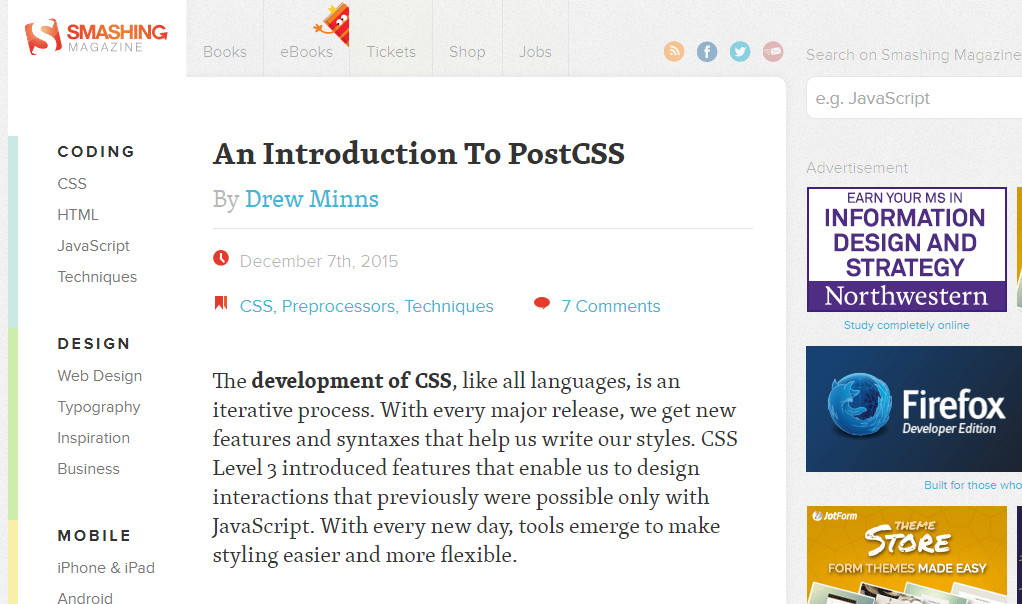
Pay: Unspecified
Description: Submit your best design and development articles here, sharing best practices and tips and tricks.
Writing
Funds For Writers
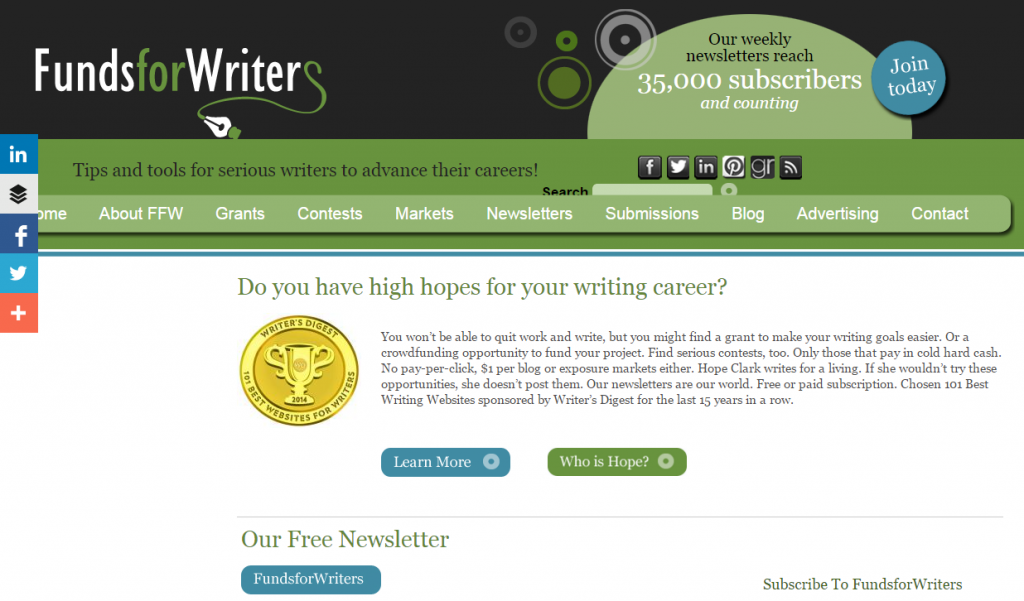
Pay: $50 per article
Description: Great resource for writers to get published and make some money writing on a variety of topics.
IntenseBlog
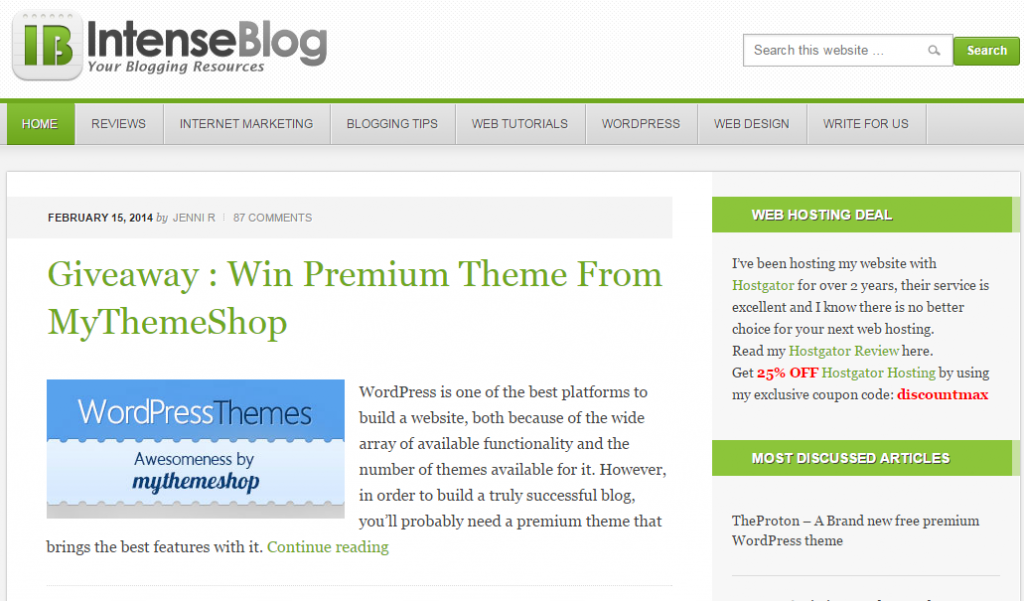
Pay: Up to $50
Description: Contribute articles and tutorials on a variety of subjects here.\\
Write Naked
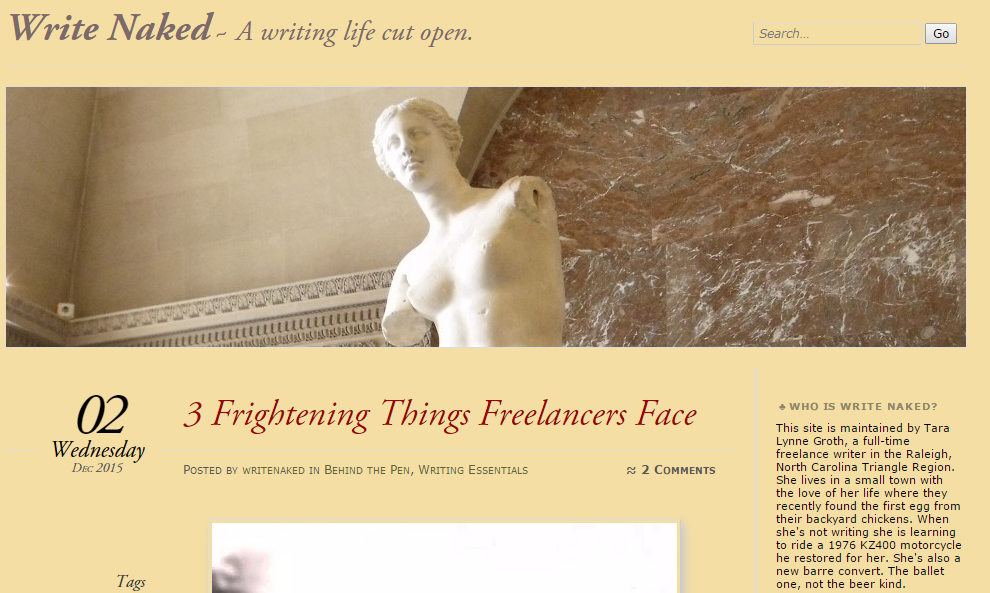
Pay: $50 – $200 per article
Description: Great outlet to publish articles about the latest trends, the writer’s life, and interviews.
Writers Weekly
Pay: $60 per article
Description: A long-standing bastion of freelance writing, WritersWeekly accepts article submissions on a wide variety of topics.
General
CollegeHumor
Pay: Up to $50 per article
Description: Article submissions here can be pretty short and sweet and cover a huge range of topics.
Constant Content
Pay: 65%
Description: They’re looking for writers on a wide variety of topics. Constant Content serves as the middle-man to get writers access to many different publishers.
Cracked

Pay: $50 – $200 per article
Description: Cracked allows submissions on virtually any topic and it’s pretty easy to get a feel for what kind of content gets chosen for publishing.
Funny Times
Pay: $60 per article
Description: Articles that make fun of pretty much anything can get accepted here.
Grasslimb
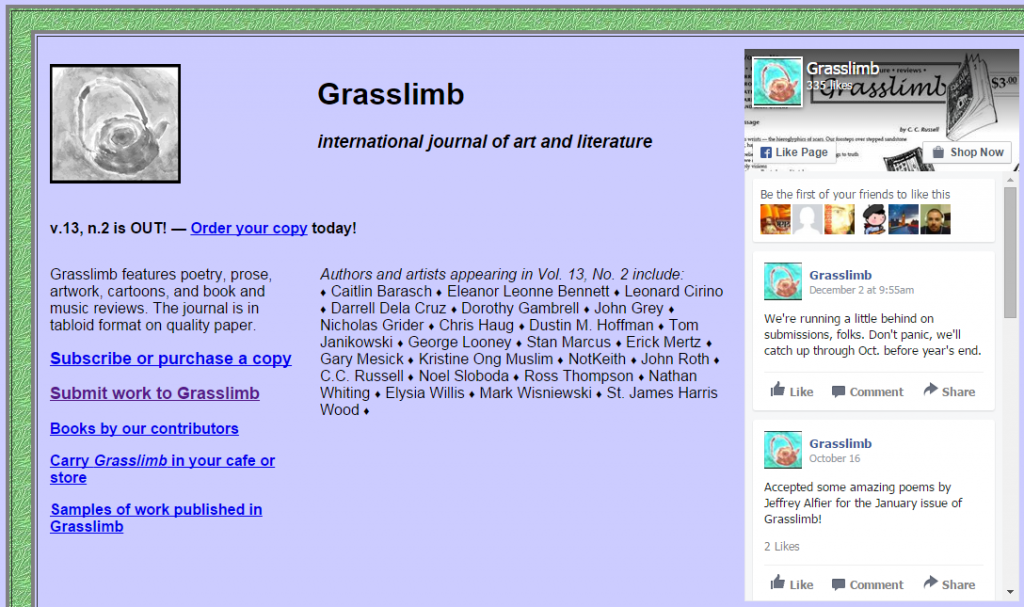
Pay: $5 – $70 per article
Description: Grasslimb is a polished literary journal that features artwork, poetry and essays. Pay depends upon the type and quality of submission.
2. HubPages
Pay: Adsense/Affiliate Based Pay
Description: HubPages allows you to write articles covering either a unique or particularly helpful topic. Pay is determined by adsense revenue.
iWorkwell

Pay: Up to $200 per article
Description: Write about anything you’re a particularly qualified expert with regard to. Great way to get paid to blog.
Knowledge Nuts
Pay: $10 per article
Description: Short and sweet, you get paid $10 for each “knowledge nut” or short article that you contribute.
Listverse
Pay: $100 per article
Description: Lists, lists and more lists. They can cover basically any topic you like that seems noteworthy.
Smithsonian

Pay: $.50 – $.60 per word
Description: Well known publication that accepts submissions of high-quality material.
The Sun Magazine
Pay: $300 – $2500 per article
Description: Long-standing and highly-regarded ad-free publication. Submit your deep and creative stuff here.
Lifestyle
Alaska Parent

Pay: $40 – $200 per article
Description: Parenting magazine focused on children from infants to teenagers.
HowlRound

Pay: $50 – $150 per article
Description: Arts, theater and performance based submissions are welcome here. Greater pay for longer articles.
Metro Parent
Pay: $150 – $350 per article
Description: Print and online publication of parenting articles.
The Dollar Stretcher
Pay: $50 per article // $.10 per word
Description: Make your dollar go farther by “Living better… for less.”
The Introspectionist
Pay: $100 – $200 per article
Description: Publication for intelligent women that seek to live “examined lives”. They accept full-length feature articles and shorter pieces and poetry as well.
Scary Mommy

Pay: $100 per article
Description: Parenting magazine that covers a wide variety of topics including the evolving relationships of parents.
WOW! Women on Writing

Pay: $50 – $150 per article
Description: Great publication for writing women, they accept submissions on a bunch of different subjects.
Technology
Make Tech Easier

Pay: Unspecified
Description: Tutorials, quick-fixes and shortcuts. Make Tech Easier sets out to make technology more accessible to the masses.
Techopedia

Pay: Unspecified
Description: Similar to the last entry, the goal here is to make complicated technology simpler to understand. Submit your articles regarding the latest tech news and corporate IT solutions here.